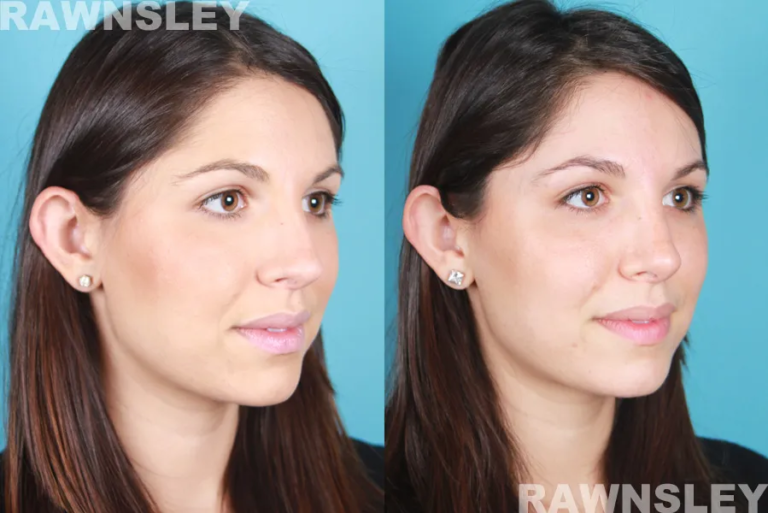
Choosing the right plastic surgeon is vital to your surgical journey. You want someone with the right qualifications and experience, along with a good rapport. It's not just about technical skills; the right fit can greatly impact your results and overall experience. Understanding what to look for can take some time, but it’s essential. So, where do you start in this important decision-making process? Let’s explore the key factors you should consider.
Understanding Qualifications and Credentials
When it comes to choosing https://cosmeticsurgerycmb710.bearsfanteamshop.com/what-is-seroma-formation a plastic surgeon, understanding their qualifications and credentials is essential for your safety and satisfaction. Start by verifying their board certification; only surgeons certified by the American Board of Plastic Surgery have undergone rigorous training and education. Don't hesitate to check their medical school, internship, and residency details, as these experiences shape their skills. Additionally, consider their licensing status in your state, ensuring it’s up-to-date. Membership in professional organizations, like the American Society of Plastic Surgeons, indicates commitment to the field. Finally, read patient reviews to gain insight into their reputation. A qualified surgeon will possess not just the credentials but also a record of successful outcomes that can give you peace of mind.
Evaluating Experience and Specialization
Once you’ve verified a surgeon's qualifications and credentials, evaluating their experience and specialization becomes essential. Consider how long they've been practicing and the number of procedures similar to yours they've performed. Look for a surgeon who specializes in the specific area you're interested in, whether it’s breast augmentation, facelifts, or reconstructive surgery. A specialist will have refined techniques and a deeper understanding of potential complications related to your specific procedure. Don't hesitate to ask about their surgical outcomes and how they handle complications. Additionally, inquire about their ongoing education and training, as this shows a commitment to current techniques and safety standards. Overall, a surgeon’s extensive experience in your desired procedure is key to achieving your aesthetic goals.
Checking Reviews and Patient Testimonials
How can you gauge a surgeon's reputation and the satisfaction of their patients? One effective way is to check online reviews and patient testimonials. Start by looking at reputable medical websites or forums that provide feedback on surgeons. Pay attention to overall ratings and comments regarding results, professionalism, and patient care.

Don’t hesitate to explore social media platforms, as many patients share their experiences there. You can also ask your potential surgeon for references; a good surgeon will willingly provide them. Remember to evaluate the context of reviews—some might be overly positive or negative. Analyzing a range of testimonials will help you form a balanced view and make a more informed decision about your chosen plastic surgeon.
Assessing Communication and Rapport
What does effective communication look like in a plastic surgeon's office? It’s all about clarity and understanding. You should feel comfortable discussing your goals and concerns, knowing your surgeon is actively listening and engaging with you. Pay attention to how your surgeon explains procedures; they should break down complex terms into layman's language, ensuring you grasp everything fully. If you sense impatience or a lack of empathy, that could be a red flag. Rapport is vital; you should feel at ease and respected during your interactions. Consider whether your surgeon encourages questions and takes the time to answer them thoroughly. Building a trusting relationship with your surgeon is essential for a positive experience and outcome.
Visiting the Surgical Facility
After you've established good communication and rapport with your plastic surgeon, it's time to take a closer look at the surgical facility itself. This visit is essential for evaluating cleanliness, organization, and the overall atmosphere. Pay attention to the staff; they should be friendly and professional. Inquire about the facility's accreditation—it's important for ensuring safety and quality standards. Take note of the equipment and technology; modern tools can greatly impact your procedure's outcome. Don’t hesitate to ask about the surgical team's experience as well. Trust your instincts; if something feels off, it might be a red flag. Your comfort in the environment is key, as it helps build your confidence ahead of your procedure.
Discussing Costs and Payment Options
Understanding the costs associated with plastic surgery is essential for your financial planning. Different procedures come with varying price tags, so you should ask your surgeon for a detailed breakdown. This typically includes surgeon fees, anesthesia costs, and facility fees.
Don't hesitate to discuss payment options. Many practices offer financing plans to help you manage expenses. Some insurance providers may cover part of the costs if the surgery is deemed medically necessary.
Be clear about your budget, and ask about any additional fees that might arise post-surgery. This guarantees you're not caught off guard later. Ultimately, being informed will help you make the best decision for your needs while maintaining financial stability.